
·6 min read
Why every clinic needs an AI overflow receptionist (and what most teams get wrong)
Missed calls cost clinics more than they realise. Here's how an AI overflow receptionist actually pays for itself in the first month — and the three mistakes we see practices make when rolling one out.
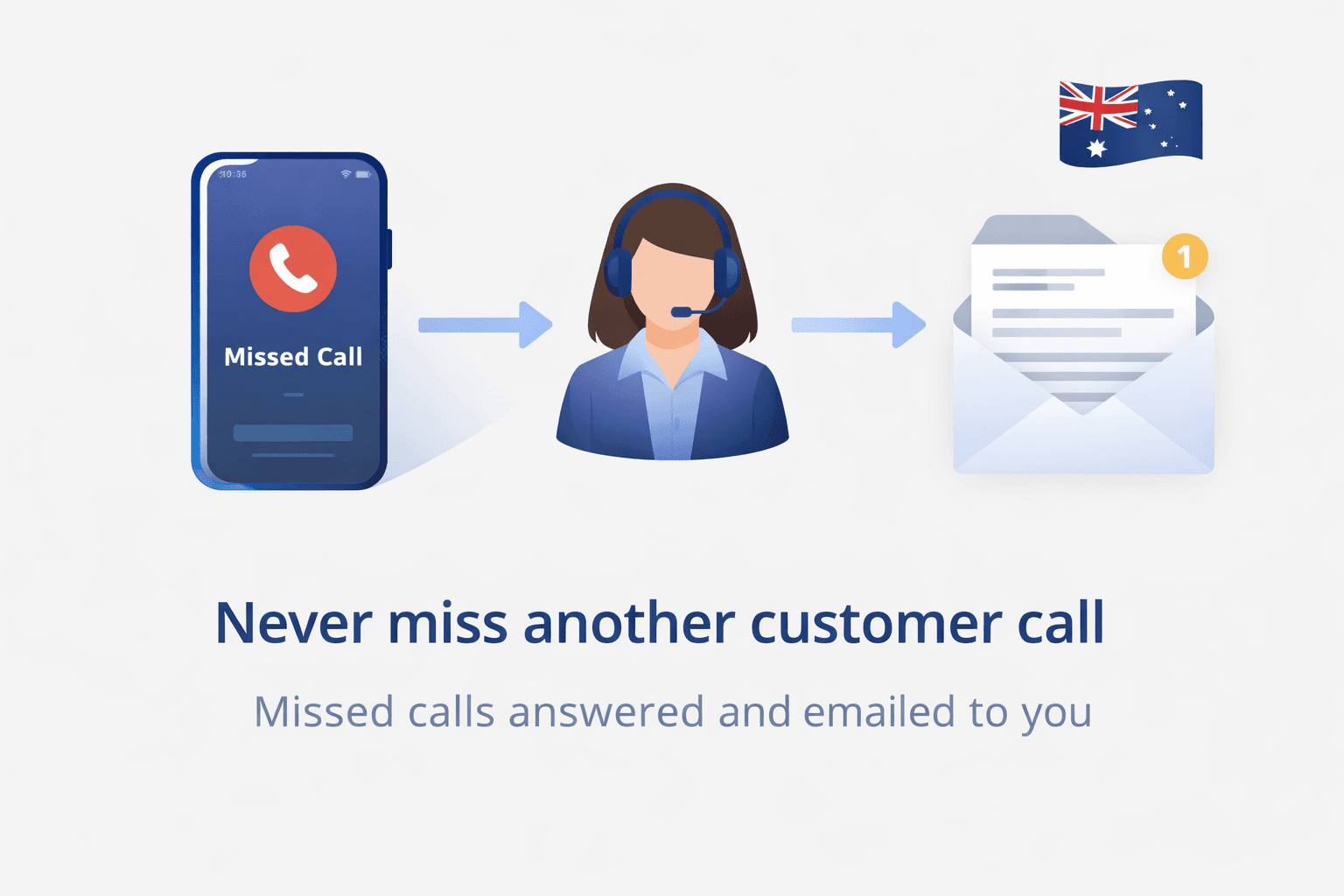
Most clinics we talk to have the same quiet leak: a non-trivial percentage of their inbound calls never get answered. Front desk is on another line, the principal is in a treatment, lunch break lands at the wrong moment. Each missed call is a person who almost certainly went on to call the next clinic on their list.
An AI overflow receptionist is the simplest, lowest-risk way to plug that leak. It picks up when your humans can't, identifies whether the caller is a new patient, an existing patient, or a supplier, and either books, triages, or hands off to a real person.
The maths is more brutal than most clinics expect
A single new patient at a dental or physio clinic is worth between $400 and $2,000+ in lifetime value depending on your mix. If your clinic misses three calls a day and one of them was a new patient who called the next practice instead, you've burned roughly $25,000 a year before you've made your morning coffee.
The cost of an AI overflow receptionist that captures even half of those calls is an order of magnitude smaller than the revenue it recovers. The question isn't whether to deploy one — it's whether you can afford the next twelve months of not deploying one.
Three mistakes we see practices make
1. Treating the AI as a full replacement
It isn't. The job of an overflow receptionist is to handle the calls your humans don't get to. Trying to replace your front desk on day one creates brittle workflows and erodes patient trust. Start with overflow only — after-hours, lunch, or when the line is busy — and expand once you've seen what it can and can't do.
2. Wiring it to the wrong outcome
A receptionist that just "takes a message" isn't worth the licence fee. The whole point is that the AI books the appointment, or at minimum captures the data and sends an SMS the patient can confirm in one tap. If your AI can't reach into your practice management software, you've bought a glorified voicemail.
3. Not measuring it
You should know, every week: how many calls came in, how many the AI answered, how many became confirmed appointments, and what those appointments are worth. Without those numbers you can't tune the system, you can't justify it to a sceptical principal, and you can't catch the day it stops working.
What "good" looks like in 30 days
- Inbound calls during business hours that hit the third ring roll to the AI, which identifies the caller and either books or routes.
- After-hours calls are handled end-to-end with a confirmation SMS to the patient and a digest to the front desk first thing in the morning.
- A weekly dashboard shows captured appointments, missed-call rate before and after, and a dollar figure your practice manager can take to the principal.
That's the whole game. Plug the leak, measure the recovery, then decide where to push next.